Thinking about selling a country home in Barboursville? Rural properties can be rewarding to sell, but they also come with details that can affect price, timing, and buyer confidence. If you want a smoother sale and fewer last-minute surprises, it helps to prepare for the land, the systems, and the local market before your home goes live. Let’s dive in.
Why Barboursville country homes need a different approach
Selling a country property is not the same as selling a home in a more suburban setting. In Louisa County, land size, privacy, access, and maintenance history often play a major role in how buyers view value.
Louisa County is a largely rural market with 514 square miles of land, about 71% forest land, and 16% crop, pasture, and open land. The county seat is about 35 miles from Charlottesville, so many buyers are balancing the appeal of a rural setting with access to nearby amenities and employment centers.
That means your home is not just being judged by square footage and finishes. Buyers also want to understand acreage, boundaries, septic and well condition, road access, outbuildings, and how the property has been cared for over time.
Start with records and property details
Before you think about photos or listing dates, gather the documents that help explain your property clearly. For country homes, this step can save time and reduce confusion once buyers start asking questions.
Louisa County offers searchable GIS tools and PDF tax maps that can help confirm parcel boundaries, acreage, and assessment information. These records are especially useful when your property includes multiple fields, wooded sections, long driveways, or unclear boundary lines.
You should also pull your deed, plat, and any available septic and well records early. Having these materials ready can make your listing feel more complete and help buyers move forward with more confidence.
Check if any land division issues apply
If you are considering splitting off part of the land before selling, verify the rules first. Louisa County says a parent parcel that existed on or before December 18, 1997 may be able to divide into one or two additional lots, while other divisions may need to meet subdivision standards.
The county also notes that family division and ag/forestal district situations may follow separate paths. If this may affect your sale, it is better to review it before marketing the property rather than trying to sort it out mid-transaction.
Review your septic system before listing
For many country homes in Barboursville, the septic system is one of the biggest buyer concerns. Waiting until you are under contract to investigate it can create delays, repair negotiations, or even a failed deal.
In Louisa County, well and septic oversight runs through the Virginia Department of Health's Blue Ridge Health District. The local health department issues permits, inspects installations, and keeps records for these systems.
VDH does not require a septic transfer process for a sale, but lenders may require inspections. VDH also recommends scheduling septic inspections several weeks before closing because repairs can take weeks if major issues are found.
Pumping and maintenance matter
VDH recommends pumping conventional septic tanks every three to five years. Blue Ridge Health District says that if it has been more than five years, it is time to pump.
If your system is an alternative onsite system, there may be more formal inspection and sampling requirements. Blue Ridge says these systems must be inspected and sampled within 180 days of approval, then inspected annually and sampled every five years.
If you can show recent maintenance and good records, buyers may feel more comfortable about the condition of the property. That can make negotiations easier once offers come in.
Look for recorded system documents
When reviewing your file, pay close attention to anything recorded with the deed. According to VDH, important items may include conditional permits, waivers, easements, and notices of recordation for alternative systems.
VDH also warns that repair waivers may not transfer to a new owner. This is exactly why record gathering should happen early, not after a buyer is already deep into due diligence.
Test the well before buyers ask
Private wells deserve their own pre-listing plan. Many buyers will want reassurance about water quality, and some lenders may have questions as well.
VDH does not test private wells for homeowners, but it does require bacteriological testing when a new well is installed. It also suggests that prospective buyers test well water for baseline quality and recommends annual bacteria and nitrate testing after that.
For sellers, pre-listing well testing can help reduce surprises. It can also give buyers a clearer picture of the property and remove one more unknown from the process.
Price for Louisa County, not Charlottesville alone
One of the biggest mistakes sellers can make is assuming a country home near Charlottesville should automatically perform like Charlottesville. Proximity helps, but the local numbers still matter.
In the CAAR Q1 2026 report, Louisa County posted a median sold price of $455,000, 45 median days on market, 4.6 months of supply, 287 active listings, and a 99.4% average sold-to-list ratio. Charlottesville posted a median sold price of $477,500, 19 days on market, and 2.7 months of supply.
The practical takeaway is simple: your property should be priced using Louisa County comparables, then adjusted for acreage, condition, privacy, access, and the status of the well and septic systems. A thoughtful pricing strategy helps attract serious buyers without creating avoidable delays.
What buyers may value most
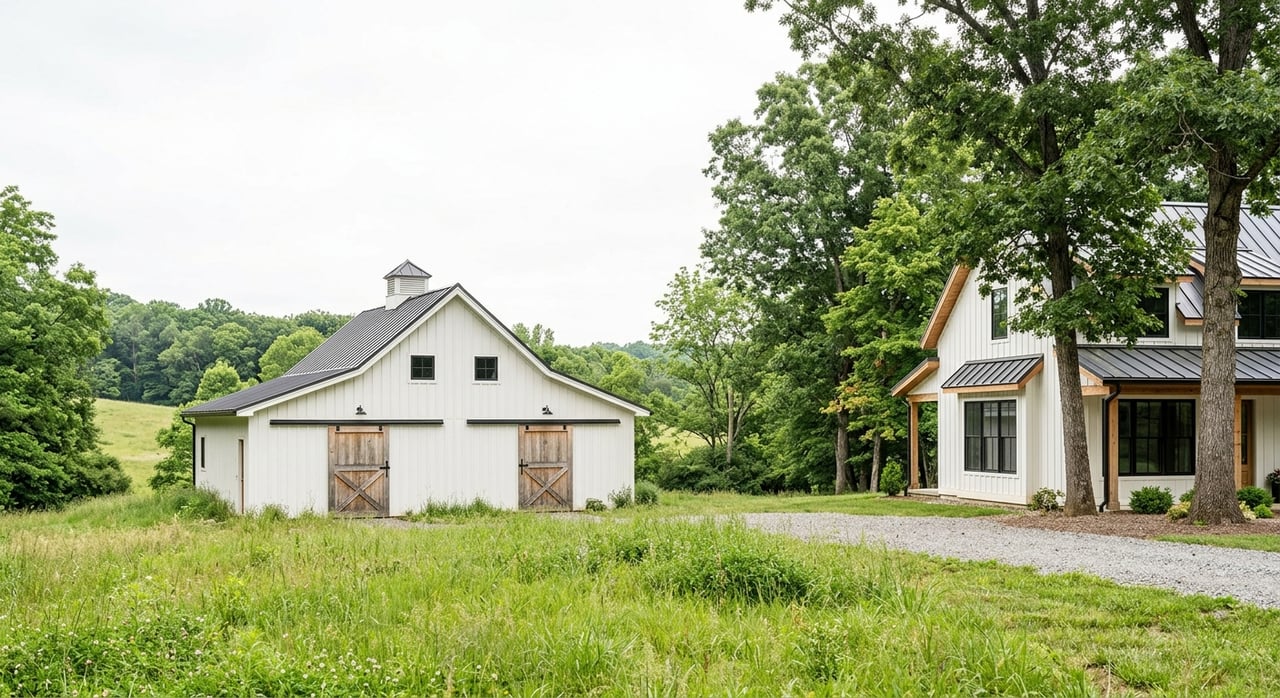
For this type of property, buyers are often drawn to acreage, privacy, and a rural setting with access to Charlottesville. That means your pricing and marketing should reflect the full experience of the property, not just the house itself.
Features like usable land, maintained access roads, clear boundaries, and documented system care can all shape buyer perception. In a rural market, those details can be just as important as updated kitchens or fresh paint.
Follow a realistic timeline
Country home sales tend to reward early preparation. A little work upfront can help you avoid rushed decisions later.
A practical timeline for this type of sale often looks like this:
8 to 12 weeks before listing
Start by gathering records and confirming property details. This is the time to pull GIS maps, deed and plat files, and septic and well records.
If the septic tank has not been pumped within the last three to five years, schedule that service. This is also a smart time to arrange well water testing.
4 to 6 weeks before listing
Focus on visible repairs and access. Clear driveways, paths, and outbuildings so the property is easier to tour and easier to understand.
If any inspections are needed, order them now. VDH notes that septic-related repairs can add weeks when problems are discovered late, so early scheduling matters.
Once you are under contract
Be ready to respond quickly to buyer, lender, or health department requests. Rural transactions often involve more document review than typical in-town sales, and a prompt response can help keep your closing on track.
Don’t overlook tax and ownership details
If you have owned the property for a long time, especially if this is part of a senior transition or estate-related move, tax details may matter. Louisa County's Commissioner of the Revenue administers land use and tax relief for the elderly and disabled.
The county's 2026 tax calendar lists May 1 for filing tax relief and December 5 for real estate taxes. The current real estate tax rate is $0.72 per $100 of assessed value.
The county also states that eligible owners may qualify for tax relief with income up to $55,000 and net worth up to $200,000, excluding the home and up to 10 acres. If any of these issues affect your planning, it is helpful to review them before listing so there are no surprises during the sale.
Be ready for required disclosures
If your farmhouse or main dwelling was built before 1978, the federal lead disclosure rule applies. Sellers must provide any known lead information and the EPA lead pamphlet before contract, and buyers receive a 10-day opportunity to inspect unless they waive it.
This is another reason why early preparation matters. When disclosure items are handled clearly and on time, buyers are more likely to feel informed and comfortable moving ahead.
A simple step-by-step plan
If you want a clear selling path, focus on these steps:
- Confirm boundaries, acreage, and parcel details using Louisa County GIS, tax maps, deed records, and plats.
- Gather septic and well records from the local health department.
- Pump the septic tank if needed and schedule pre-listing well testing.
- Review any land division, tax relief, or special ownership issues that could affect the sale.
- Make visible repairs, improve access, and organize outbuildings and exterior spaces.
- Price the property using Louisa County comps, adjusted for land, condition, and system status.
- Prepare for buyer and lender questions about well, septic, and lead disclosure if the home was built before 1978.
Selling a country home in Barboursville is often about clarity as much as presentation. When buyers can quickly understand the land, the systems, and the value, your property is in a stronger position from day one.
If you are getting ready to sell a country property and want hands-on guidance from pricing through prep and negotiation, Sherry Millard can help you plan the next step with confidence.
FAQs
What makes selling a country home in Barboursville different from selling an in-town home?
- Country homes in Louisa County often require more attention to acreage, privacy, access, boundaries, and well and septic systems, in addition to the house itself.
How should you price a country home in Louisa County?
- You should use Louisa County comparables first, then adjust for acreage, condition, access, privacy, and the status of the property's well and septic systems.
Should you inspect or pump the septic system before listing a rural home?
- It is often wise to address septic maintenance before listing, especially since VDH recommends pumping conventional tanks every three to five years and notes that repairs can take weeks if issues are found late.
Should you test the well before selling a Barboursville country property?
- Pre-listing well testing can help reduce surprises and give buyers more confidence about the property's water quality.
What records should you gather before listing a rural property in Louisa County?
- Start with GIS maps, tax maps, deed and plat records, plus available septic and well permits, inspection reports, and related system documents.
What if you want to split land before selling a country home in Louisa County?
- Check Louisa County land division rules early, because some parcels may qualify for limited division while others must meet subdivision standards.
What disclosures apply when selling an older farmhouse in Barboursville?
- If the home was built before 1978, you must provide any known lead information and the required lead disclosure materials before contract.