If you are thinking about buying more than one mountain property near Wintergreen, the biggest opportunity is not just finding a pretty view. It is building a mix of properties that can serve different goals, seasons, and guest needs while keeping your management load realistic. With the right plan, you can create a portfolio around Wintergreen that balances personal use, rental potential, and long-term flexibility. Let’s dive in.
Why Wintergreen draws investors
Wintergreen Resort gives you more than a ski story. According to Wintergreen Resort, the resort spans 11,000 acres on the eastern slopes of the Blue Ridge Mountains and offers four-season recreation, including skiing, snowboarding, golf, hiking, tennis, spa services, fly fishing, swimming, and dining. That broad activity base matters if you want a property that can stay appealing beyond peak winter weekends.
Location also helps support year-round demand. The resort notes it is about 90 minutes from Richmond and about three hours from Washington, D.C. and Raleigh, which makes it a realistic getaway for many second-home buyers and short-stay visitors. For investors, that means you are not relying on one narrow travel window.
The broader Nelson County tourism base adds another layer. The Nelson 151 craft beverage trail and nearby agritourism destinations help keep the area active throughout the year. In nearby Nellysford and Roseland, visitors also have access to seasonal local attractions like the Nelson Farmers Market and area beverage destinations, which can support shoulder-season bookings.
Understand the Wintergreen structure
Before you buy your first or next property, it helps to understand how Wintergreen operates. The Wintergreen Property Owners Association says the community includes more than 3,600 individual properties, and the association handles roads, snow removal, public safety, mowing, signage, administration, and some amenities. That means your ownership experience is shaped not only by the home itself, but also by the community framework around it.
WPOA also notes that the mountain has water and sewer service, county trash and recycling, and two fiber-to-the-home internet providers. For many buyers, especially remote owners and occasional work-from-the-mountain users, those details can make a property more practical and more marketable. They also matter when you compare one part of the mountain to another.
This is one reason portfolio building here should be intentional. A strong purchase is not just about price per square foot. You also want to know how the property fits the association structure, rental use requirements, access logistics, and upkeep expectations.
Match property type to strategy
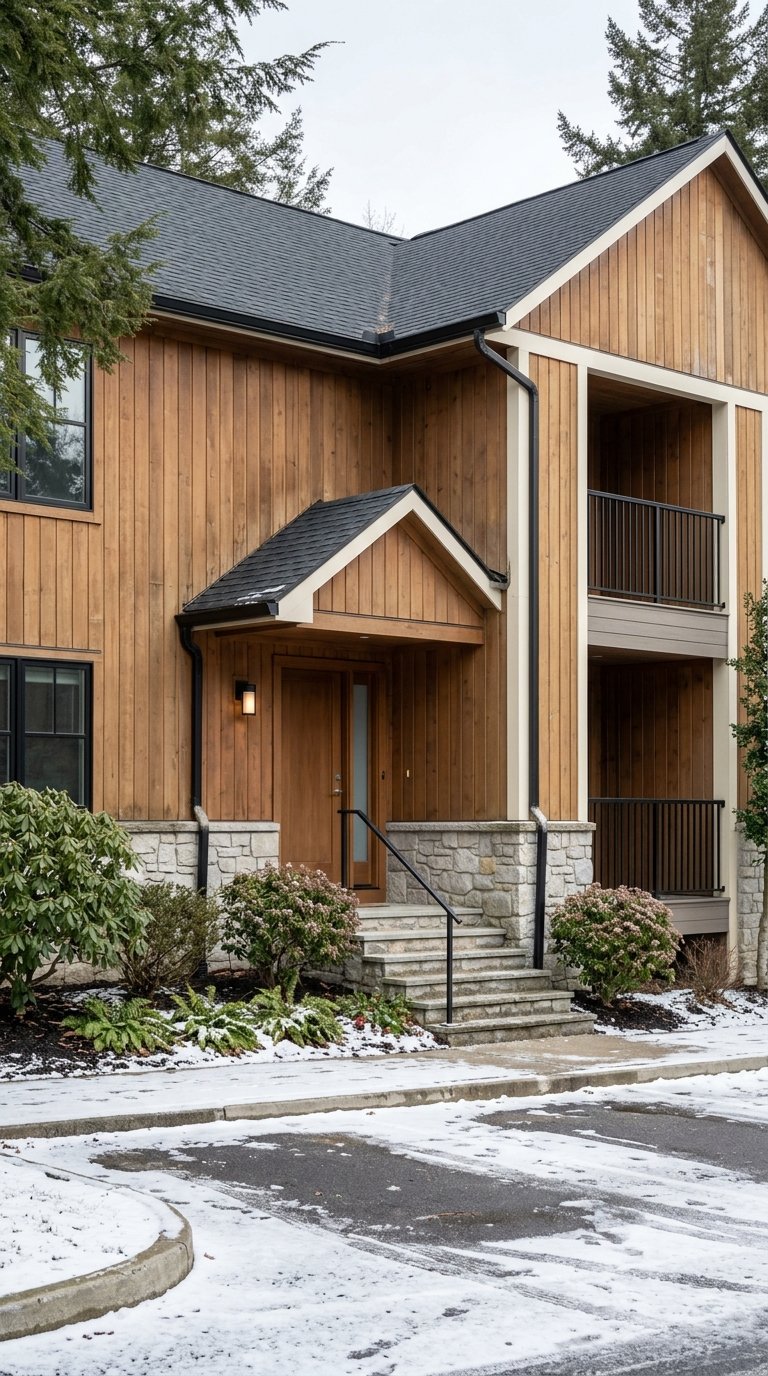
A mountain portfolio does not need to be built with the same property repeated three times. In many cases, a mix of condos, townhomes, and single-family homes can give you more flexibility across seasons and guest types.
Condos for lower-friction entry
Condos are often the easiest starting point for investors who want a simpler ownership model. Wintergreen Resort property management offers rental management for condos and private homes on the mountain, which can be especially helpful if you live out of the area. That local support can reduce some of the day-to-day strain that comes with turnovers, guest coordination, and maintenance follow-up.
A condo can also make sense if you want to test the market before expanding. In many cases, it gives you a lower-maintenance way to learn the seasonal rhythm of the resort, guest demand patterns, and ownership costs. That can be valuable before moving into larger or more operationally complex properties.
Townhomes for middle-ground flexibility
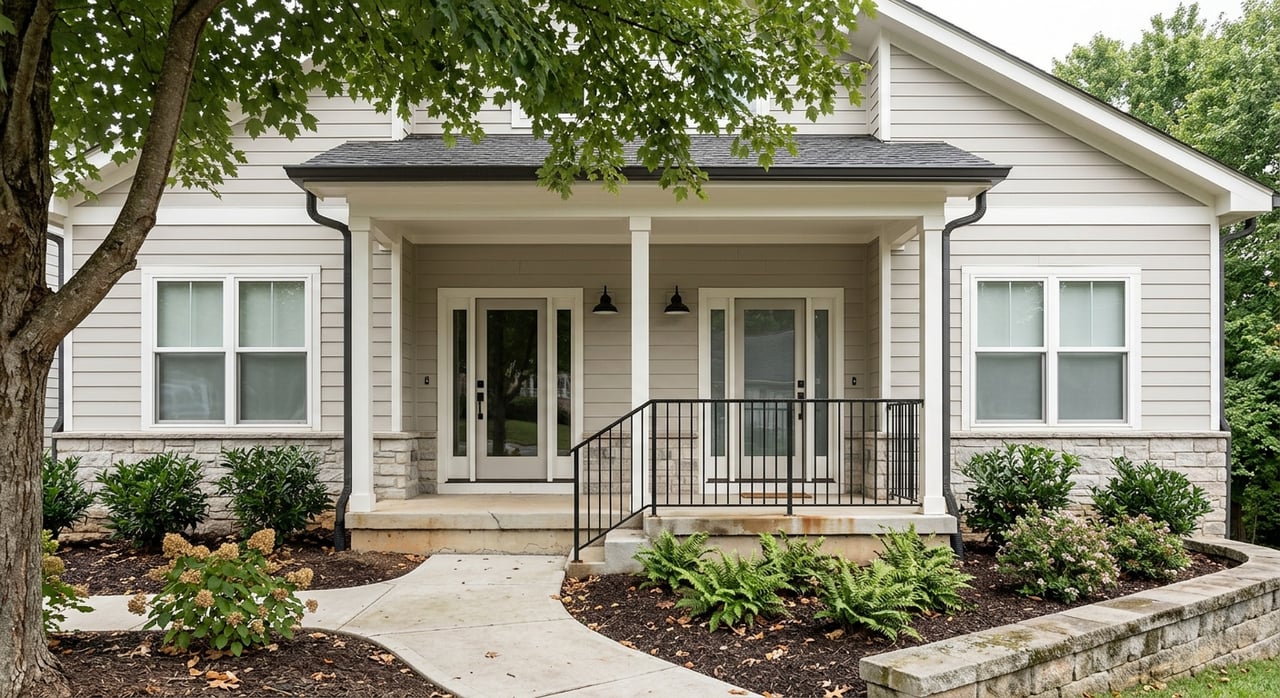
Townhomes often sit between condos and detached homes in both space and upkeep. They may appeal to buyers who want more room and privacy than a condo, but do not want the same level of exterior maintenance that often comes with a standalone property. That makes them a practical middle step in a growing portfolio.
For investors, townhomes can help widen your guest appeal. They may better suit families or small groups who need extra sleeping capacity and gathering space, while still keeping the ownership model manageable. If you want variety in your portfolio without jumping straight to the highest-maintenance option, this category deserves a close look.
Single-family homes for premium stays
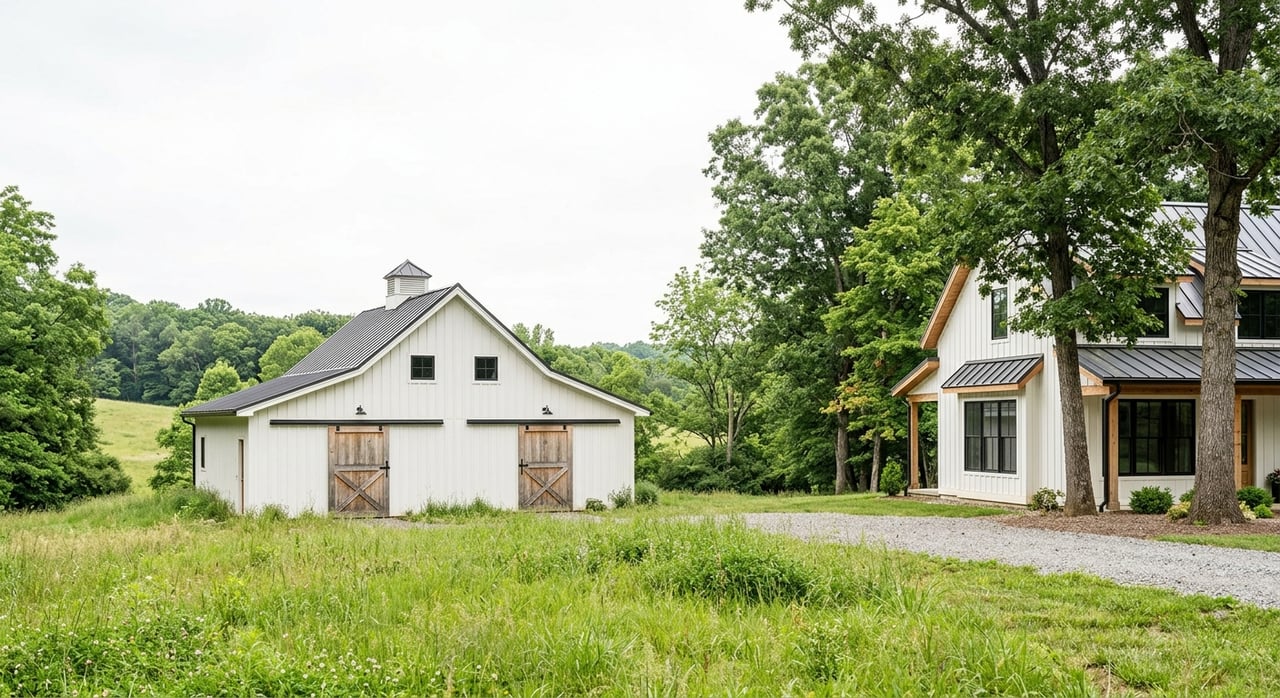
Single-family homes are often the best fit when your goal is privacy, larger group stays, or a stronger second-home feel. They can be very attractive to buyers and guests who want more separation, more room to spread out, and a more distinct mountain-home experience. In a portfolio, they can serve as the premium tier.
They also usually require more operational attention. Wintergreen Resort says its services can help with HVAC, plumbing, electrical work, winter home checks, painting, carpentry, appliance repair, locksmith work, and remodeling through its property management and services program. Even with that support, detached homes tend to ask more of the owner in weather planning, maintenance oversight, and turn-day coordination.
Think beyond bedroom count
One of the most important Wintergreen investment questions is not simply how many people a property can sleep. It is whether the home fits how you plan to use and market it.
According to WPOA owner information, some amenities are reserved for club members and their guests, and accommodations marketed outside the resort rental program may face additional charges or denied access. That makes amenity compatibility, rental channel decisions, and guest expectations critical parts of your due diligence.
If you are building a portfolio, this can shape your mix. One property may work best as a resort-managed rental. Another may make more sense as a personal-use-heavy home with limited rental exposure. The right answer depends on how you want each property to function, not just what it looks like in photos.
Budget for the true carrying cost
A mountain investment plan should always start with a realistic expense picture. Nelson County’s tax rates page currently lists real estate tax at $0.65 per $100 of assessed value, personal property tax at $2.79 per $100, lodging tax at 7%, and a $30 annual business license. The county also lists billing cycles, with real estate and personal property bills mailed May 1 and due June 5, then mailed again October 1 and due December 5.
At the same time, the county’s April 16, 2026 public hearing notice says a 2026 reassessment is underway and references a proposed 2026 real property tax rate of $0.58 per $100. If you are running investment projections, it is smart to verify the final adopted rate before relying on any cash-flow assumptions.
In practical terms, your real carry cost may include:
- Mortgage debt service, if financed
- Real estate taxes
- Association-related costs
- Insurance
- Utilities and internet
- Cleaning and turnover costs
- Maintenance and repairs
- Rental management or booking support
- Compliance costs tied to short-term rental activity
This is where local guidance matters. A property that looks strong on the surface can feel very different once you factor in its full operating profile.
Know the short-term rental rules
If any part of your plan includes short-term rentals, compliance needs to be built into your system from day one. Nelson County says on its short-term rentals page that the transient occupancy tax rate is 7% effective July 1, 2024, and that properties rented for less than 30 days must comply with local ordinances, including the applicable business license, tax returns, and tax payments.
The county also notes an important distinction. If bookings happen exclusively through Airbnb, VRBO, or Evolve, monthly transient occupancy tax forms are no longer required. Direct bookings still require monthly remittance. That can affect how much administrative work you want tied to each property.
WPOA adds another layer. Owners must notify the association if a property is used for rentals, provide a 24/7 contact, and inform guests of community rules. If you are growing from one property to several, those operational details become even more important because they shape your systems, response planning, and guest communication.
Plan for weather and arrival logistics
Mountain ownership brings unique logistics, and those should be part of your investment strategy. WPOA handles roads and snow removal in the community, which is a meaningful support feature for owners. Even so, weather affects arrival patterns, maintenance timing, and guest communication.
Wintergreen also advises visitors to avoid the Blue Ridge Parkway when traveling to the resort because it is often closed in winter conditions, according to its about page. For owners, that is a simple but important reminder that access instructions are not a small detail. They are part of protecting the guest experience and reducing preventable problems.
If you own multiple properties, clear arrival systems matter even more. Good signage, updated check-in messaging, weather notices, and responsive local support can make a noticeable difference in reviews and repeat stays.
Build a portfolio in phases
You do not need to buy everything at once to build a smart mountain portfolio. In many cases, a phased approach is the most practical path.
Start with a learning property
Your first property can teach you a lot about the Wintergreen market. A condo or lower-maintenance townhome may help you understand ownership costs, seasonal demand, management options, and guest expectations with less complexity. That experience can sharpen your next purchase.
Add variety over time
Once you understand how the market functions, adding a different property type may help you spread risk and broaden appeal. For example, a portfolio that includes both a smaller lower-maintenance unit and a larger detached home may serve different stay lengths, budgets, and travel styles. That kind of diversity can be useful in a four-season destination.
Reassess after each purchase
Each acquisition should improve the overall portfolio, not just add another door. After every purchase, review how your properties complement each other in terms of management load, seasonal use, guest profile, and carrying cost. A strong portfolio is usually built with intention, not speed.
Why local guidance matters
A Wintergreen purchase involves more than choosing a mountain view. You may be comparing amenity access, rental channel strategy, WPOA requirements, weather logistics, and shifting tax assumptions all at once. That is especially true if you live out of market and need someone who can be your eyes on the ground.
That is where local, hands-on guidance can make the process smoother. If you are exploring how to build or refine a mountain investment portfolio around Wintergreen, Sherry Millard can help you evaluate property types, ownership considerations, and the local details that shape a smart decision.
FAQs
What makes Wintergreen attractive for a mountain investment portfolio?
- Wintergreen offers four-season recreation, regional drive-to access, and support from nearby Nelson County attractions, which can help create demand beyond ski season.
What property type works best for a first Wintergreen investment?
- Many buyers start with a condo because it can offer a lower-maintenance entry point and access to local management support through Wintergreen Resort.
What should you verify before buying around Wintergreen?
- You should review taxes, reassessment timing, rental rules, amenity access, association requirements, and the property’s fit with your intended management and booking strategy.
What are the short-term rental rules in Nelson County, VA?
- Nelson County says rentals under 30 days must comply with local ordinances, including the applicable business license and transient occupancy tax requirements, with separate rules for direct bookings versus certain platform bookings.
Why does local representation matter for Wintergreen investors?
- Local representation can help you navigate mountain-specific details like access logistics, community rules, service options, and the differences between condos, townhomes, and single-family homes in the Wintergreen market.