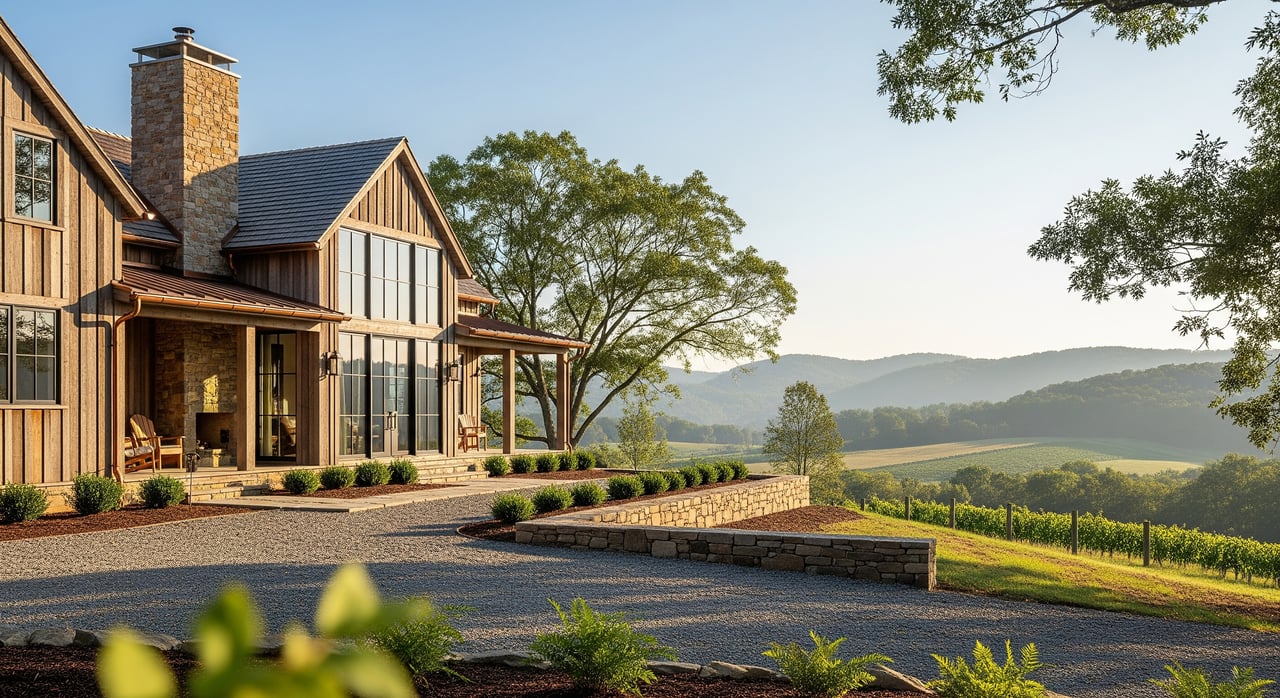
Dreaming of a mountain retreat near Wintergreen or a quiet spot along the Rockfish Valley? If you are eyeing a second home in Nellysford, lenders will look at your plans a little differently than a primary residence. A clear understanding of down payment ranges, credit and reserves, and how any rental use fits in will help you move forward with confidence. This guide breaks down how second‑home financing works, plus the local details you should prepare for in 22958. Let’s dive in.
What counts as a second home
Lenders define a second home as a property you will occupy for part of the year for personal use, but not as your primary residence. That distinction matters because underwriting rules, pricing, and documentation differ from primary and investment properties.
You will sign occupancy statements confirming you intend personal use. If a lender determines the property is primarily income‑producing, it is usually treated as an investment property with stricter terms. The right classification at the start helps avoid surprises later.
Loan options at a glance
- Conventional loans are the most common choice for second homes in this area. Conforming limits apply, and many well‑qualified buyers can finance with 10 to 20 percent down, depending on the lender and file strength.
- FHA, VA, and USDA programs generally require the home to be your primary residence. These are typically not used for second homes in Nellysford.
- Jumbo and portfolio loans come into play if your price exceeds conforming limits or the home is unique. Expect larger down payments and stronger reserve requirements.
- You can also tap equity in your primary home through a HELOC or a cash‑out refinance to fund the purchase, subject to lender rules.
Down payment and credit basics
For conventional second‑home loans, many lenders allow 80 to 90 percent loan‑to‑value. In plain terms, you are often looking at 10 to 20 percent down for a one‑unit second home if the rest of your file is strong.
Lenders prefer higher credit scores on second homes. Many look for scores around 700 or better, though some accept mid‑600s with compensating factors. If you plan to rent the home frequently, expect higher down payment needs that look more like investment property terms.
Reserves, DTI, and rates
Most second‑home loans require you to show liquid reserves. A typical range is 2 to 6 months of the new home’s principal, interest, taxes, and insurance. For higher‑risk files, unusual properties, or jumbo loans, some lenders ask for 6 to 12 months.
Debt‑to‑income limits are usually as strict as or a bit tighter than primary loans. Mortgage rates for second homes commonly carry a modest premium compared with primary residences, reflecting added risk.
Rental plans and loan type
Your intended use is a key driver of loan options:
- Occasional personal use with minimal renting can still qualify as a second home. Lenders will look at frequency and duration if you list it for short stays.
- Regular short‑term rentals, like frequent Airbnb or VRBO bookings, usually push the loan into investment property territory. That means higher down payments, higher rates, and more reserves.
- Long‑term rentals are underwritten as investment properties and require documentation of leases or market rents.
Tax treatment also depends on how much you rent the home versus how much you use it personally. Speak with a tax professional to plan ahead for deductions and reporting.
Local lending factors in 22958
Nelson County’s rural and resort setting adds a few underwriting checkpoints. Getting in front of these items early can save time.
- Road access and year‑round reach: Steep or unpaved roads and winter conditions can affect valuation and insurability. Lenders want to know you can access the home.
- Well and septic: Many homes use private systems. Lenders commonly require proof of potable water and a functioning septic system, sometimes with inspection records.
- Insurance: Mountain and wooded settings may carry higher premiums for wind, hail, or wildfire. Request quotes early, and include flood quotes if you are near the Rockfish River or mapped flood zones.
- HOA or resort dues: Wintergreen and other associations have dues and possible assessments. Lenders include these in qualifying ratios and may request HOA documents.
- Appraisal complexity: Unique views, acreage, or proximity to resort amenities can make comps scarce. Appraisers may need wider search areas, which can affect timelines and value conclusions.
Step‑by‑step financing game plan
Talk to experienced lenders. Ask about second‑home LTV ranges, reserve expectations, tolerance for occasional short‑term rentals, appraisal requirements, and whether a local appraiser is needed.
Align your use plan. Decide if the home is purely personal or if you will rent it occasionally. Share this plan with your lender so they classify the loan correctly.
Build your budget. Factor in down payment, closing costs, HOA dues, insurance, and reserves. Include travel and seasonal maintenance for a mountain property.
Investigate property specifics. Order well water testing and a septic inspection where applicable. Request HOA or POA documents and any rental rules early in the process.
Check local rules. Confirm zoning and short‑term rental regulations with Nelson County. If you are considering frequent rentals, understand any permits, taxes, or registration requirements.
Prepare for timelines. Appraisals and inspections can take longer in rural markets. Plan for a bit of extra time between contract and closing.
Documents to gather early
- Income and assets: W‑2s or tax returns, recent pay stubs, and bank or investment statements.
- Other real estate: Mortgage statements, property tax bills, and HOA dues for any homes you already own.
- Occupancy and identity: Driver’s license and, if requested, a utility bill tied to your primary residence.
- Rental plans: If you plan any renting, be prepared to describe frequency and platform use so your lender can document the file correctly.
Appraisals and timing in rural markets
Expect the appraisal to weigh view corridors, elevation, road access, acreage, and proximity to resort amenities. Because Nellysford and Wintergreen have many unique properties, the appraiser may need to reach beyond a tiny radius for comparable sales.
This can add both time and variability to valuation. Work closely with your lender and agent to set realistic expectations and to respond quickly if the underwriter requests a second look or additional commentary.
Insurance, taxes, and closing costs
In Virginia, closing costs typically run a few percent of the purchase price. That includes title services and state or local recording and transfer taxes. Your lender will also escrow for taxes and insurance if required.
Get homeowners insurance quotes early, and add a flood quote if the property is near mapped flood areas. For well and septic homes, be sure the insurance company understands the property’s systems and access.
When to bring in local pros
- Mortgage professional: Choose one who regularly finances second homes and rural collateral in Central Virginia. Experience helps with appraisals, reserves, and program fit.
- County and community contacts: Nelson County Planning and Zoning, the Health Department for well and septic records, and your HOA or POA for rules and dues.
- Tax advisor: If you plan any short‑term renting, speak with a CPA about record‑keeping, depreciation, and how personal use affects your return.
Final thoughts
Buying a second home in Nellysford or near Wintergreen is both exciting and very achievable when you plan for how lenders view these properties. Clarify your use, line up the right loan type, and get ahead of rural property details like well, septic, insurance, and access. With the right team and a realistic timeline, you can enjoy the mountains with fewer surprises.
If you are weighing neighborhoods, property types, or the best way to structure your offer, connect with a local expert who knows second‑home and resort properties inside and out. Reach out to Sherry Millard for hands‑on guidance from search to closing.
FAQs
How much down do I need for a Nellysford second home?
- Many conventional lenders allow 10 to 20 percent down for well‑qualified buyers, while jumbo or rental‑heavy scenarios often require larger down payments.
Can I rent my Nellysford vacation home part‑time and still get a second‑home loan?
- Occasional, incidental renting may still qualify as a second home, but frequent short‑term rentals usually push the loan into investment property terms.
Can I use FHA, VA, or USDA for a second home in 22958?
- These programs are designed for primary residences, so they are typically not available for second‑home purchases in Nellysford.
How many months of reserves do lenders want for resort‑area homes?
- A common range is 2 to 6 months of PITI, with some higher‑risk or jumbo scenarios requiring 6 to 12 months.
What inspections should I plan for with well and septic in Nelson County?
- Plan on a water quality test and a septic inspection, plus requesting any available records from the Nelson County Health Department.
How does short‑term rental regulation affect financing near Wintergreen?
- Local zoning, HOA rules, and any transient occupancy tax or registration requirements can influence loan classification and underwriting, so verify them before you apply.
I live out of state. Does that change my approval for a second home in 22958?
- Lenders will consider your current housing costs and travel logistics, and they may ask for extra reserves or documentation, but many out‑of‑state buyers are approved successfully.