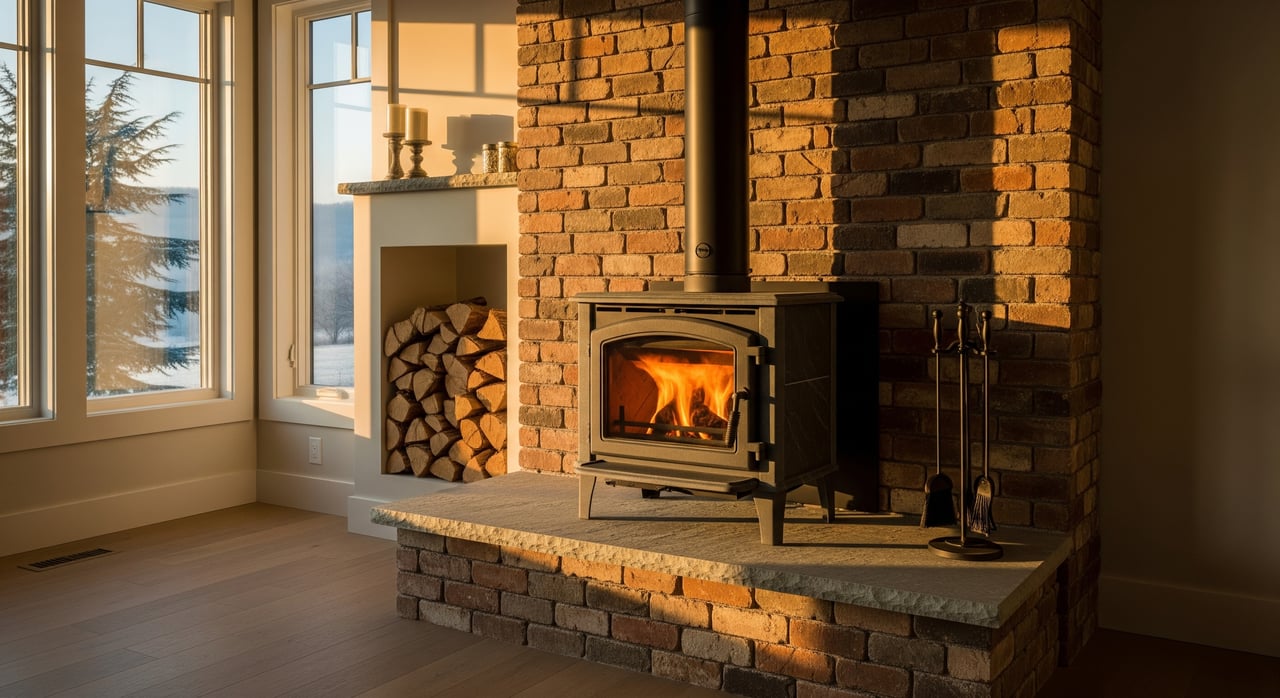
Cold nights, mountain winds, and a crackling fire can make a Crozet winter feel just right. If you heat with a woodstove, you also know it takes a bit of care to keep things safe and efficient. You want peace of mind, not surprises. In this guide, you’ll get clear, local checklists for chimney care, spark arrestors, and ember‑safe landscaping that fit our Blue Ridge setting, plus a simple seasonal schedule and signs it’s time to call a pro. Let’s dive in.
Why safety matters in Crozet
Crozet sits near the Blue Ridge with wooded lots, slopes, and wind patterns that can move embers farther than you might expect. In dry winter and early spring conditions, small sparks from a chimney or nearby wildfire can land on roofs, vents, or leaf piles and cause ignition. Many home losses begin with tiny embers finding a vulnerable spot.
Treat your woodstove and chimney work as part of an all‑around wildfire readiness plan. That includes defensible space, ember‑resistant vents, and a family evacuation plan. Use guidance from state and national fire‑safety resources and check in with Albemarle County Fire Rescue for local information, burn restrictions, and programs.
Chimney and woodstove checks
A professional inspection before each heating season is standard best practice. If you burn often, use marginally seasoned wood, or notice performance changes, increase the frequency. The goal is simple: keep creosote under control, confirm the flue is sound, and ensure hardware like caps and dampers are working.
Homeowner pre‑check
Start with a quick look before you book a pro:
- Exterior and roofline
- Check the crown and mortar for cracks or missing joints.
- Make sure flashing is sealed where the chimney meets the roof.
- Confirm the chimney is plumb and stable.
- Verify a cap is present, secure, and free of nests or debris.
- Interior and attic
- Look for smoke stains or odors near the ceiling penetration.
- Check for heat damage or creosote stains in the attic or roofline.
- Flue and liner
- Note any visible cracks, gaps, or missing liner sections.
- Damper and throat
- Test that the damper opens and closes fully and seals when shut.
- Stove and connectors
- Inspect stovepipe joints for tight fits and no holes.
- Confirm proper clearances from combustibles and approved thimbles where pipe passes through walls or ceilings.
- Check door gaskets for a good seal.
- Creosote and soot
- Look for flaky or shiny glazed deposits that indicate higher risk.
If you suspect past chimney fire signs like loud roaring, strong tar smells, or vibration, stop using the stove and call a professional immediately.
What a pro will inspect
Certified chimney technicians follow NFPA and CSIA inspection levels:
- Level 1: A basic annual inspection of accessible portions when no changes in use have occurred.
- Level 2: Required after any appliance change, relining, or suspected damage. Includes accessible parts of interior and exterior.
- Level 3: Recommended when serious hazards are suspected. May require removal of components to access concealed areas.
You can expect written findings and recommendations for cleaning, repairs, relining, cap replacement, or rebuilding if needed.
Burn smart at home
How you burn affects safety and costs. Keep it simple and consistent:
- Use well‑seasoned, dry hardwood with moisture under 20 percent.
- Never burn trash, treated wood, plastics, or wet wood.
- Keep combustibles at least 30 feet from the chimney or stove, unless separated by a noncombustible barrier.
- Use a sturdy spark screen with doors open and keep the stove door closed during burns to prevent ember escape.
- Install and test smoke and carbon monoxide alarms monthly. Replace batteries and follow manufacturer and local code guidance on placement.
Spark arrestors and caps
Chimney caps and spark arrestors help stop embers, keep animals out, reduce rain entry, and limit downdrafts. For homes near wooded areas, they are a key layer of protection.
Mesh and material choices
Choosing the right cap improves safety and performance:
- Mesh size: Many professionals recommend 3/8 inch openings to reduce ember escape while balancing airflow. Mesh up to 1/2 inch is also used. Ask your chimney professional for a recommendation based on your stove, flue, and local conditions.
- Material: Stainless steel resists rust and lasts longer in wet or windy climates. Galvanized steel can be more budget‑friendly but may not last as long.
- Cap design: Match the cap to your flue size and type. Single, double, and multi‑flue caps are available. Top‑sealing dampers with integrated caps can improve energy efficiency when not in use.
- Compatibility: Confirm your choice works with your appliance and flue type, and aligns with local code and insurance requirements.
Cap maintenance checklist
Keep caps and arrestors in working order:
- Confirm the cap is tight after storms or high winds.
- Inspect mesh for rust, deformation, or tears.
- Clear nests, leaves, or debris on and under the cap.
- Check for creosote or tar deposits and clean during your sweep.
- Replace caps that are corroded or that no longer seat securely.
- Verify the mesh openings have not enlarged over time.
Stovepipe hardware and clearances
Your connectors are part of the safety system. Follow manufacturer instructions and local code:
- Use listed single‑wall or double‑wall connectors as specified for your setup.
- Maintain required clearances from combustibles.
- Use an approved thimble or chase connector where pipe passes through walls or ceilings.
Ember‑safe landscaping
Embers are the most common wildfire ignition source for homes. Good defensible space creates layers of protection that reduce the chance an ember finds fuel.
Defensible space zones
Organize the area around your home into zones and adjust distances on slopes.
- Zone 0: 0 to 5 feet from the home
- Keep this area mostly noncombustible. Use pavers, gravel, stone, or masonry.
- Avoid mulch or choose noncombustible options like gravel. Keep combustible furniture and ornamental grasses out of this zone.
- Clean gutters and roof edges of leaves and needles regularly.
- Zone 1: 5 to 30 feet
- Use well‑spaced, low‑growing, and healthy plants.
- Remove dead material and avoid continuous fuels that connect shrubs to trees.
- Prune tree limbs 6 to 10 feet above the ground, higher on steep slopes.
- Keep irrigation in working order during dry times.
- Zone 2: 30 to 100 plus feet
- Reduce fuel continuity across the property with thinning and selective removal.
- Maintain spacing between tree crowns and remove ladder fuels like dense shrubs under trees.
- On slopes, add extra distance since fire moves faster uphill.
Ember‑resistant upgrades
A few targeted upgrades go a long way in a Blue Ridge setting:
- Roof and gutters
- Keep roof and gutters clear of leaves and needles, especially in fall and winter.
- Consider Class A or metal roofing when you plan future updates.
- Vents and openings
- Use ember‑resistant vents or approved fine mesh on attic and foundation vents. Follow product specifications for mesh size.
- Groundcovers and hardscape
- Use gravel, stone, or pavers near the house. If you use mulch, keep it away from siding and vents.
- Trees and shrubs
- Maintain spacing between crowns and prune lower branches to remove ladder fuels.
- Remove dead or dying vegetation promptly.
- Store firewood at least 30 feet from structures, on the uphill side when possible.
- Outdoor features
- Keep grills and fire pits well away from the house. Use spark screens and never leave fires unattended.
- Maintenance
- Clear leaf and needle buildup under decks and along foundations.
- Keep irrigation adjusted to maintain plant health in dry periods.
Seasonal timeline for Crozet
A simple schedule keeps you ahead of the weather and leaf drop.
- Late summer and early fall
- Schedule a professional chimney inspection and cleaning.
- Clean gutters and the roof and remove debris around the house.
- Inspect or replace the chimney cap and spark arrestor if needed.
- Service the woodstove and verify gaskets and door seals work.
- Test smoke and carbon monoxide alarms and install fresh batteries.
- During heating season
- Burn dry, seasoned wood and aim for steady, controlled fires.
- Empty ash into a metal container and store it away from structures until fully cold.
- Watch for smoke backup, tar odors, or changes in draft.
- Spring wrap‑up
- Consider a post‑season inspection and take care of repairs while weather is mild.
- Remove remaining creosote so you start next season clean.
When to call a pro
Do not wait on these warning signs:
- Any signs of a chimney fire such as loud roaring, strong odors, or unusual heat.
- Visible cracks in the flue liner, large cracks in the chimney, or a leaning structure.
- Heavy creosote buildup, especially glazed or tar‑like deposits.
- Drafting problems that persist or smoke backing into the room.
- After installing a new stove or changing appliances, request a Level 2 inspection.
Working with local professionals
Choose qualified help and ask for documentation. Look for CSIA‑certified chimney sweeps or technicians with verifiable experience. Request written estimates and a scope of work and confirm inspection levels when appropriate. Verify insurance, references, and local licensing. For larger work like relining or crown repair, compare multiple estimates.
Bringing it together
A safe, efficient woodstove setup is about routine attention to the chimney, the right cap and spark arrestor, and a tidy, ember‑aware landscape. With a simple seasonal plan, you can enjoy cozy winter heat while reducing risks common to wooded Albemarle County properties.
If you are preparing a sale, buying a cabin, or planning upgrades before winter, reach out for local guidance on what today’s buyers value and how to present a safe, well‑maintained home. Connect with Unknown Company to talk timing, priorities, and next steps. Get Your Instant Home Valuation.
FAQs
What is the right chimney cap mesh size for Crozet homes?
- Many professionals recommend 3/8 inch mesh for strong ember control while maintaining airflow, with 1/2 inch also used in some cases. Ask a certified chimney pro for an appliance‑specific recommendation.
How often should I clean a woodstove chimney in Albemarle County?
- Schedule an annual professional inspection and clean when creosote reaches hazardous levels. Increase frequency with heavy use, marginal wood, or any performance changes.
What is defensible space for homes near the Blue Ridge?
- Create zones: 0 to 5 feet noncombustible near the house, 5 to 30 feet with reduced fuels and pruned limbs, and 30 to 100 plus feet with thinned vegetation and removed ladder fuels, adding distance on slopes.
Are smoke and carbon monoxide alarms required with a woodstove?
- Follow manufacturer instructions and local code for placement and maintenance. Test alarms monthly and replace batteries regularly for dependable protection.
Who can I contact locally for chimney or wildfire guidance?
- Contact a CSIA‑certified chimney professional for inspections and Albemarle County Fire Rescue and the Virginia Department of Forestry for local readiness information and programs.