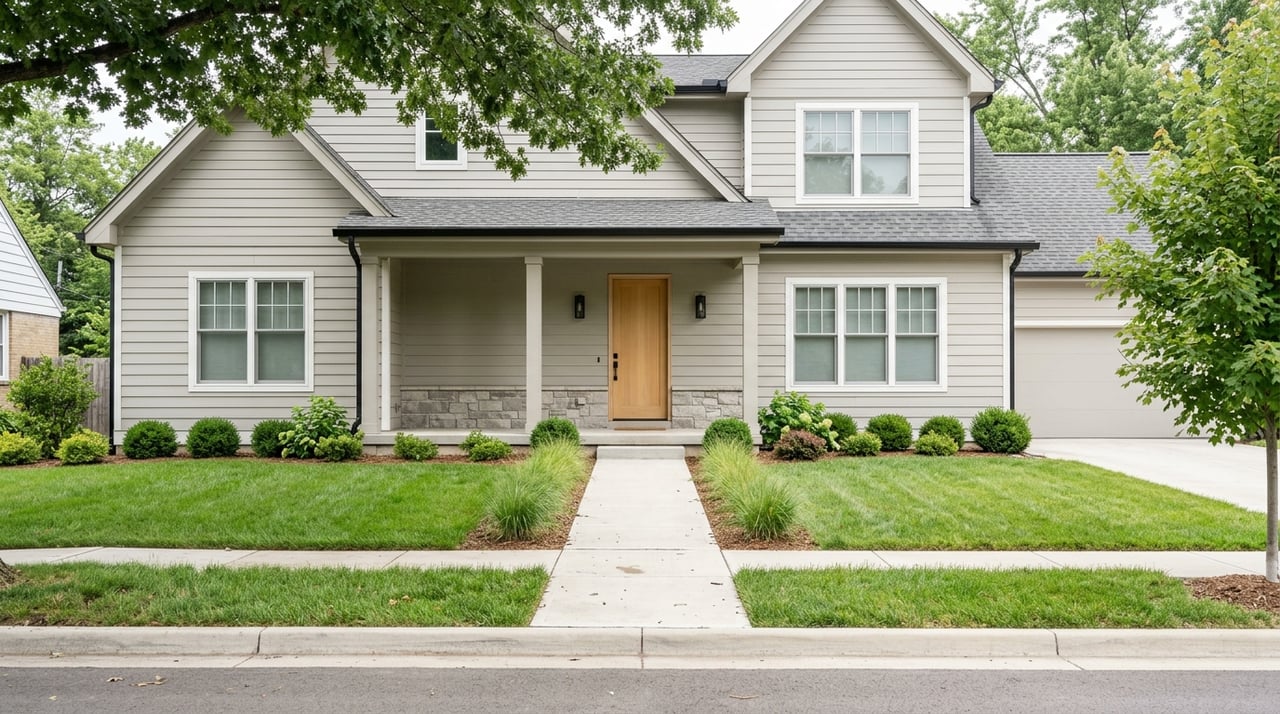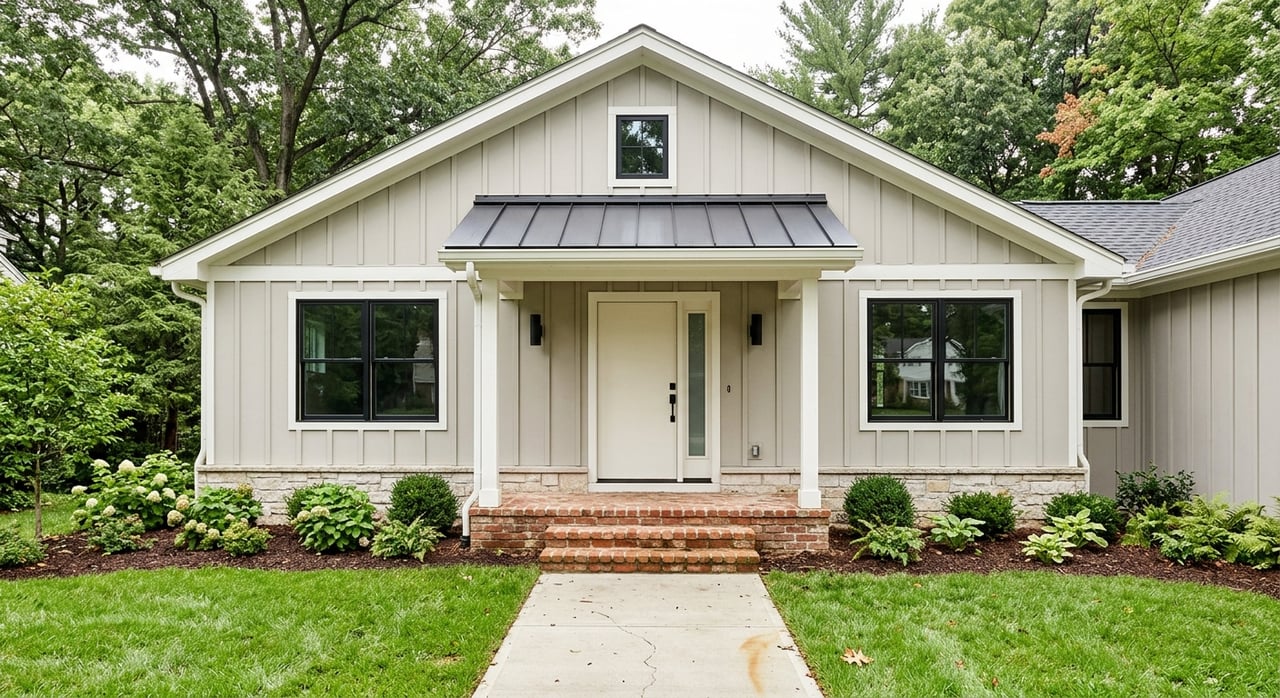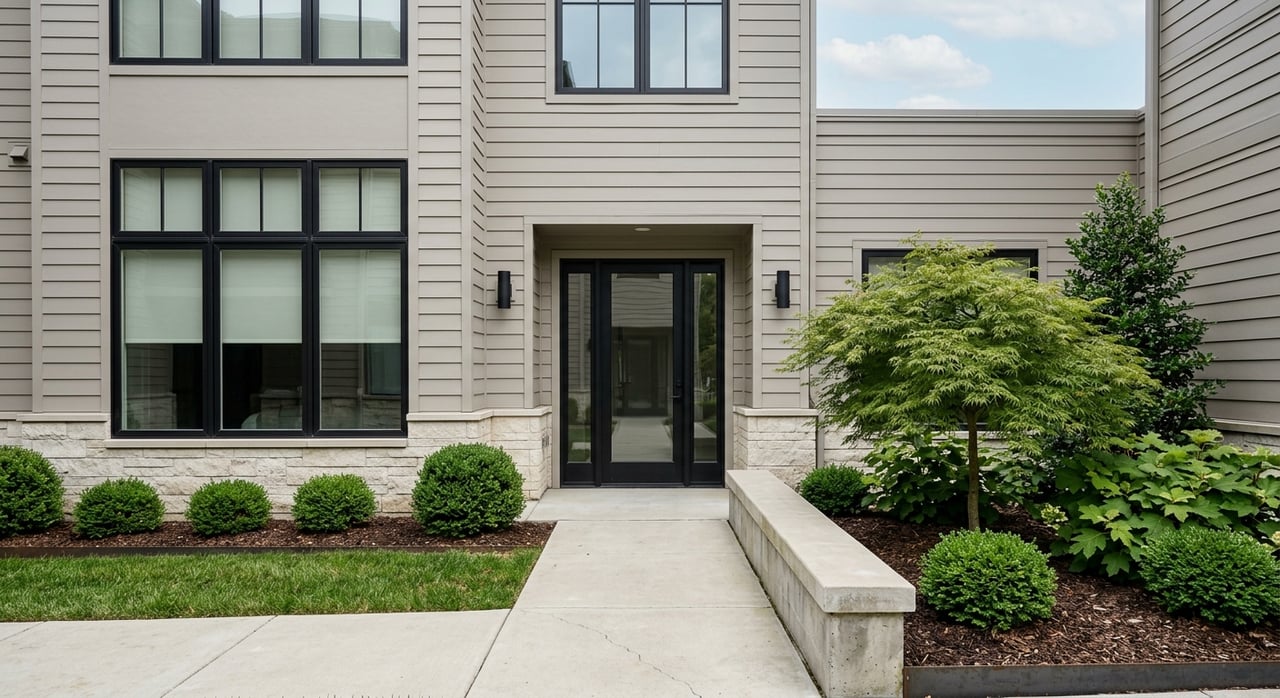
Are you torn between a condo and a house in Charlottesville? You are not alone. In the 22901 area and across Albemarle, many buyers are weighing convenience, price, privacy, and location all at once. The good news is that the right choice usually becomes clearer when you compare how you want to live with how the local market is set up. Let’s dive in.
Charlottesville Market Snapshot
The broader Charlottesville area looked more balanced by late 2025 than it did during the tightest seller-market stretch. CAAR reported 970 sales, 925 active listings, and 3.0 months of supply in Q4 2025. That means you may have a bit more room to compare options carefully instead of rushing into the first property that fits.
Price is also an important part of the condo-versus-house decision. In Q4 2025, the median sales price was $546,140 in the City of Charlottesville and $558,750 in Albemarle County. Those figures help frame the market, but your actual budget comparison should still include taxes, dues, and future upkeep.
Another local trend matters here too. Through October 2025, multifamily permits in the Charlottesville metro were up 37%, while single-family permits were up 5%. In simple terms, attached housing continues to play a major role in new supply, which can give condo and similar buyers more options to consider.
Condo vs House Basics
At a high level, condos and houses solve different lifestyle needs. A condo often appeals to buyers who want lower day-to-day exterior maintenance and a more central, connected setting. A house usually works better if you want more privacy, more outdoor space, and more direct control over the property.
That tradeoff is especially clear in Charlottesville. If you picture yourself closer to downtown or near UVA-adjacent areas, attached housing may show up more often in your search. If you want a lower-density setting or a larger lot, you may find yourself leaning toward a detached home in city neighborhoods or farther out in Albemarle.
How Condo Ownership Works in Virginia
In Virginia condos, the unit owners' association is generally responsible for common elements, while individual owners are responsible for their units unless the condominium documents say otherwise. That matters because your monthly dues help support shared areas and long-term building upkeep. It also means your costs are shaped partly by decisions made at the association level.
Virginia law also requires reserve studies at least every five years and annual reserve reviews. Associations can adjust budgets and assessments over time. So while condo ownership can reduce some hands-on maintenance, you should expect dues and assessments to change as building needs change.
For buyers, this makes document review essential. Under Virginia's Resale Disclosure Act, contracts for common-interest community properties must disclose that the property is in a common-interest community, and a resale certificate is required. Associations may also charge fees for preparing or delivering that certificate, so this should be part of your planning from the start.
How House Ownership Can Differ
A detached home usually gives you more control over the structure, yard, and maintenance schedule. If you want to decide when to replace landscaping, update exterior features, or handle repairs on your own timeline, that level of control can be a big advantage. For many buyers, that autonomy is one of the main reasons to choose a house.
That said, a house does not always mean zero association costs. In Virginia, homes in a property owners' association may still face additional assessments for common-area upkeep, and boards can borrow for maintenance, replacement, repair, and restoration of capital components. So if you are comparing a condo to a house in a planned community, be sure to look beyond the word "detached" and review the full cost structure.
Where Condos Tend to Show Up
Charlottesville's zoning and assessment patterns help explain where condos are more common. The city's R-C district is designed for higher-density apartment and mixed-use buildings. The assessment map also identifies areas such as Downtown Condos, Downtown Apartments, and Office Condos, which signals where attached housing is more likely to be part of the inventory.
Historic-design districts and central neighborhoods also shape what you will see. The city identifies Downtown, North Downtown, West Main Street, The Corner, and Wertland Street as historic-design districts. In practical terms, buyers looking for condo-style living often focus on these more central and mixed-use parts of the market.
Neighborhood fact sheets support that pattern. North Downtown includes the Downtown Mall, mixed industrial-commercial-residential areas, and mostly single-family areas east and west of Park Streets. Little High includes a mix of single-family homes, apartments, and condos, while Woolen Mills is described as predominantly single-family with a mix of other housing types.
Where Houses Tend to Fit Best
If you are leaning toward a house, lower-density zoning is a helpful clue. Charlottesville's R-A district is aimed at single-family housing, and RN-A is intended to preserve historic downtown neighborhoods close to UVA and downtown. Those areas can align more naturally with buyers who want a detached home setting, though housing types can still vary by block and neighborhood.
Outside the city, Albemarle County's planning framework directs most growth into Development Areas, which make up about 5 percent of the county's land. The Rural Area is intended for agriculture, natural resources, and limited homes. That helps explain why detached homes often become more common as you move away from the urban core.
For some buyers, this is where lifestyle clarity kicks in. If you want room to spread out, a yard, or a setting that feels less dense, a house in Albemarle may better match your goals. If access and central location matter more, a condo or attached property closer in may feel like the better fit.
Compare the Real Monthly Cost
The purchase price is only the starting point. To compare a condo and a house fairly, you need to look at your full monthly carrying cost. That includes mortgage payment, taxes, HOA or condo dues, and your likely maintenance exposure.
Local taxes can make a noticeable difference. The City of Charlottesville real estate tax rate is $0.99 per $100 of assessed value, with payments due June 5 and December 5. Albemarle County's 2025 real estate tax rate is $0.894 per $100, with bills due June 25 and December 5.
This means location matters even before you factor in dues. A condo in the city may have a lower purchase price than a house, but city taxes and association fees can affect the monthly total. A house in the county may come with lower taxes per assessed dollar, but your maintenance and repair exposure may be higher.
What Price Gaps Suggest Locally
Local median pricing gives you a useful directional guide. In Charlottesville, the 2024 CAAR data showed a median sales price of $377,500 for the townhome and condo segment versus $540,000 for detached homes. In Albemarle County, the townhome and condo segment median was $265,000 versus $550,000 for detached homes.
These numbers are not condo-only because CAAR combines townhomes and condos in that category. Still, the gap shows a pattern many buyers feel right away: attached housing often offers a lower entry point than detached homes. If your budget is tight but location is important, that can be a meaningful advantage.
A Simple Decision Framework
If you are still deciding, start with your daily life instead of square footage alone. Think about how much time, flexibility, and responsibility you want tied to the property. Then compare that picture to what the local market tends to offer in the parts of Charlottesville and Albemarle you like most.
A condo may be the better fit if you want:
- Less day-to-day exterior maintenance
- A more central or walkable location
- Shared management of common spaces
- A lower entry price than many detached homes
A house may be the better fit if you want:
- More privacy
- More outdoor space
- More direct control over repairs and improvements
- A lower-density setting in the city or county
What to Review Before You Decide
No matter which path you take, a side-by-side comparison can make the choice much easier. Looking at just the list price can hide the costs and tradeoffs that affect your day-to-day life after closing. A clear checklist helps you compare properties with confidence.
Review these items for every property you are seriously considering:
- Purchase price
- Real estate taxes based on city or county location
- HOA or condo dues
- Reserve strength for the association
- Likely repair and maintenance exposure
- Neighborhood and location fit for your routine
- Required resale certificate or association documents, if applicable
The best choice is not the same for every buyer. It is the one that fits your budget, your comfort with maintenance, and the way you want to live in Charlottesville or Albemarle.
If you want help comparing specific condos and houses in 22901 or nearby Albemarle neighborhoods, Sherry Millard offers the local, hands-on guidance that can make your decision feel a lot more straightforward.
FAQs
Should you buy a condo or house in Charlottesville if you want lower maintenance?
- A condo is often the better fit if you want less day-to-day exterior maintenance and are comfortable with shared management through an association.
Are condos usually cheaper than houses in Charlottesville and Albemarle?
- Local CAAR data suggests attached housing, grouped as townhomes and condos, generally has a lower median sales price than detached homes in both Charlottesville and Albemarle County.
What extra costs should you compare when choosing a condo or house in Albemarle or Charlottesville?
- Compare taxes, HOA or condo dues, reserve strength, likely repairs, and any fees tied to association documents in addition to the purchase price.
Do detached houses in Virginia ever have HOA fees?
- Yes. A detached house may still be part of a property owners' association, which can include assessments for common-area upkeep and other shared expenses.
Does city versus county location affect homeownership costs near Charlottesville?
- Yes. The City of Charlottesville and Albemarle County have different real estate tax rates and payment due dates, which can change your carrying costs.